
What will the UAE’s withdrawal from OPEC and OPEC+ change?
The United Arab Emirates, a leading player in the global oil and gas market, has long been an international leader among business structuring jurisdictions. Therefore, the country’s withdrawal from OPEC and OPEC+, which took place on May 1, 2026, will inevitably impact not only the global economy but also businesses tied to international relations.
These significant changes will not directly affect most of YSmart Advisory Group’s clients; however, we consider it important to highlight a number of trends that should be considered when planning to use the Emirates in your business architecture.
Forecast 1. Independence in the Arab World and Dependence on the US
Overall, the UAE’s withdrawal from the oil cartel allows us to expect greater independence for the country: it will gradually wean itself off its dependence on OPEC and OPEC+ countries in decision-making. It should be noted that, although Russia is part of the expanded OPEC+ organization, we do not expect a deterioration in relations between the UAE and Russia – and we will explain why below.
The UAE is most likely to align with the United States in the near future, the world’s largest oil importer and the main strategic opponent of the OPEC cartel. The United States has the greatest interest in increasing production and lowering the price per barrel.
Forecast 2. Sharp Growth in Investment in the UAE Oil Industry
Here, we must consider the UAE’s desire to support its oil sector after leaving the cartel. This motivates the Emirates to increase domestic and foreign investment (no matter where) in order to then sharply increase production and thereby expand its share of the global oil market. Consequently, we can expect the adoption of investment-friendly regulations and an overall improvement in the investment climate in the country. This will attract investors from around the world: large sums of money will flow into the economy, which will positively impact other industries: first those related to oil and service industries, and then all others. New investors will need to establish legal entities, open bank accounts, complete legal formalities, conduct due diligence, and M&A—this will create new jobs, which in turn will require visas, rent, and real estate investments.
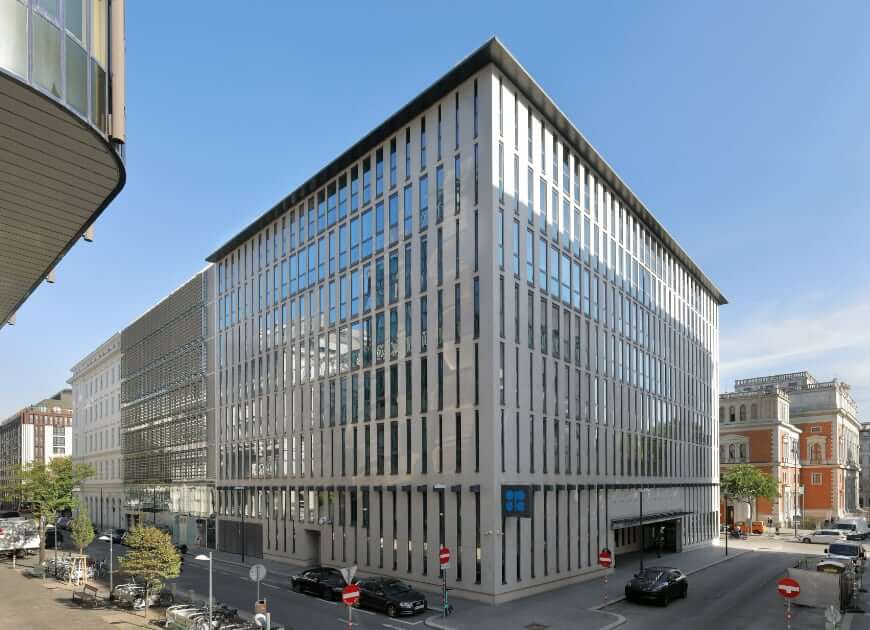
On the other hand, this trend will also be supported by the United States, as it is interested in the UAE’s strategy being independent from OPEC. American money will likely flow into the Emirates most powerfully. Therefore, even if the country initially experiences some negative effects, such as falling real estate prices, these will quickly subside, and growth will resume.
Forecast 3. Further rapprochement between the US and Russia, mediated by the UAE
The Emirates’ withdrawal from the cartel is a significant step toward the US, and political rapprochement between the two countries, in our view, is practically inevitable. The Americans have long been firmly entrenched in the UAE: the country’s government is almost entirely transitioning to artificial intelligence, and all software in this area, as well as the hardware, is American-made. And now the United States will establish itself even more firmly there.
But this will also be beneficial for Russian business: the Emirates will most likely not refuse Russian money and will remain a financial hub between Russia and the rest of the world. The United States, gaining some control over the country, will have to consider the economic interests of the UAE and allow it to continue working with Russian businesses. At the same time, US loyalty will protect the UAE from secondary sanctions: they won’t be cut off from SWIFT, their lives won’t be complicated, which means Russia will also feel comfortable in the Emirates.
Forecast 4. Competition is a Benefit
The downside of the UAE’s demarche is that other Gulf countries will remain in OPEC, and the Emirates’ relations with them could suffer. Emirati companies will no longer receive preferential treatment: there will be no simplified account opening procedures, and compliance will be stricter (requests for unnecessary documents, meticulous background checks on clients).
Countries will compete more fiercely, with Oman seeking to overtake the Emirates in the oil industry, and Saudi Arabia seeking to come to the forefront and strengthen its political and economic influence in the region.
